
Uzbekistan’s Silk Road Heritage Fuels Modern Tourism
 Umar8 Oct 2026 6 min read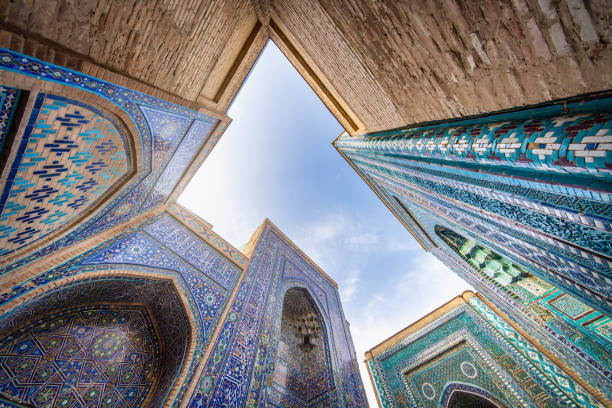
Uzbekistan, a landlocked nation nestled in the heart of Central Asia, has long captivated travellers and scholars alike with its blend of ancient heritage and modern ambition. From the glittering mosaics of Samarkand to the bustling streets of its capital, Tashkent, the country offers a vivid tapestry of history, culture, and economic transformation that is increasingly relevant to global discussions on development and tourism. For IELTS candidates, understanding Uzbekistan’s multifaceted identity not only enriches vocabulary but also provides material for a range of exam topics, from geography to social change.
A Glimpse into History and Geography
Uzbekistan occupies a strategic position on the historic Silk Road, the ancient network of trade routes that linked the East and West for centuries. Its terrain is characterised by vast deserts, fertile river valleys, and rugged mountains, creating a stark yet beautiful contrast that has shaped human settlement for millennia.
Key cities:
Samarkand – renowned for its Timurid architecture and the Registan Square.
Bukhara – a UNESCO World Heritage site, celebrated for its well‑preserved medieval madrassas.
Khiva – famous for the walled inner town of Ichan‑Qala, a living museum of Islamic art.
The region’s historical significance is evident in the countless caravanserais, mausoleums, and madrasas that dot the landscape. These monuments exemplify the synthesis of Persian, Turkic, and Islamic influences that have defined Uzbek identity. Following the Russian conquest in the 19th century, the territory became part of the Soviet Union, only to emerge as an independent republic in 1991. The post‑Soviet era has been marked by a determined effort to balance preservation of cultural heritage with the demands of modernisation.
Demography and Language
With a population of approximately 34 million, Uzbekistan is the most populous country in Central Asia. The majority of citizens identify as ethnic Uzbeks, a Turkic people whose language, Uzbek, is written in a Latin alphabet since 1993. Russian remains widely spoken, particularly in business and higher education, reflecting the country’s Soviet legacy.
The demographic profile is relatively young: over 60 % of the population is under the age of 30, a factor that fuels both a dynamic labour market and a burgeoning consumer culture. This youthful demographic also presents challenges, such as the need for expanded educational infrastructure and employment opportunities, which the government is actively addressing through policy reforms.
Economic Landscape: From Cotton to Diversification
Historically, Uzbekistan’s economy has been dominated by cotton production, earning it the nickname “white gold” during the Soviet period. However, reliance on a single export commodity rendered the nation vulnerable to price fluctuations and environmental degradation, notably the desiccation of the Aral Sea.
In recent decades, the government has pursued a diversification strategy aimed at sustainable growth. Key sectors now include:
Energy – abundant natural gas reserves and emerging renewable projects.
Mining – substantial gold deposits, with the Muruntau mine ranking among the world’s largest.
Agriculture – a shift towards wheat, fruits, and vegetables to ensure food security.
Tourism – capitalising on the Silk Road heritage to attract international visitors.
Consequently, foreign direct investment has risen, particularly from China, Russia, and Turkey, prompting the development of new industrial zones and transport corridors. The government’s “Economic Development Programme 2025” sets ambitious targets for GDP growth, export diversification, and digitalisation, signalling a clear commitment to long‑term prosperity.
Cultural Richness and Everyday Life
Uzbek culture is a vibrant mosaic of music, cuisine, and traditional crafts. The rhythmic beats of the dutar and the haunting melodies of the rubab echo through bazaars and wedding celebrations alike. Culinary delights such as plov (a fragrant rice pilaf with meat and carrots), shashlik (marinated grilled meat), and samsa (savory pastries) offer a sensory journey into the nation’s culinary heritage.
Festivals provide a window into communal values:
Navruz (the Persian New Year) marks the arrival of spring with colourful performances and feasting.
Independence Day on 1 September showcases military parades and cultural exhibitions, reinforcing national pride.
Artisans continue to produce intricate ceramics, silk textiles, and hand‑woven carpets, preserving techniques passed down through generations. Such cultural continuity is not merely nostalgic; it contributes to a thriving creative economy that attracts both tourists and investors.
Tourism: A Revitalised Industry
Since the early 2000s, Uzbekistan has undertaken a concerted effort to reposition itself as a premier destination for cultural tourism. The introduction of a visa‑free regime for citizens of over 80 countries in 2016 dramatically increased visitor numbers, while the launch of the “Tourism Development Programme” in 2020 set out a roadmap for infrastructure upgrades and service quality improvement.
Highlights for the modern traveller include:
Historic sites – guided tours of Samarkand’s Gur‑E‑Amir mausoleum and Bukhara’s Po-i‑Kalyan complex.
Ecotourism – excursions to the Kyzylkum Desert and the Nurata Mountains, promoting sustainable interaction with nature.
Urban experiences – exploring Tashkent’s metro stations, which double as underground art galleries.
The government’s emphasis on preserving authenticity while enhancing accessibility demonstrates an understanding that tourism can be both an economic engine and a conduit for cultural exchange. As a result, the sector now contributes roughly 7 % to national GDP, a figure expected to rise in the coming years.
Social Reforms and Education
Parallel to economic initiatives, Uzbekistan has embarked on a series of social reforms aimed at improving quality of life and fostering human capital. Notable measures include:
Education – the introduction of a competency‑based curriculum, increased funding for vocational schools, and scholarships for overseas study.
Healthcare – expansion of primary care facilities and the launch of telemedicine services in remote regions.
Gender equality – policies encouraging women’s participation in the workforce, reflected in the growing proportion of female entrepreneurs.
These reforms are designed to address the “brain drain” that plagued the post‑Soviet era, by creating attractive opportunities for skilled professionals within the country. The resultant uplift in living standards is evident in rising life expectancy and a gradual decline in poverty rates.
Environmental Challenges and Sustainable Initiatives
Uzbekistan’s environmental narrative is dominated by the legacy of the Aral Sea disaster, once the world’s fourth‑largest inland lake, now reduced to a fraction of its former size due to excessive irrigation for cotton cultivation. Recognising the gravity of the situation, the state has implemented a series of remedial projects:
Water‑saving irrigation – adoption of drip and sprinkler systems to reduce water consumption.
Reforestation – planting of drought‑resistant species along riverbanks to curb soil erosion.
Renewable energy – investment in solar farms, particularly in the desert regions, to diversify the energy mix and lower carbon emissions.
While challenges remain, these initiatives illustrate a commitment to sustainable development, an aspect that resonates strongly with global environmental discourse and could form the basis of compelling IELTS essay topics.
Uzbekistan on the Global Stage
In recent years, Uzbekistan has sought a more proactive role in international affairs. Membership in organisations such as the Shanghai Cooperation Organisation (SCO) and the United Nations Economic Commission for Europe (UNECE) reflects its desire to engage in multilateral dialogue. Moreover, the country’s strategic location makes it a pivotal hub for the Belt and Road Initiative, linking East Asian markets with European consumers.
Such geopolitical positioning brings both opportunities and responsibilities. By promoting trade, cultural exchange, and regional stability, Uzbekistan contributes to a broader narrative of interconnectedness—a theme frequently explored in IELTS speaking and writing tasks.
Prospects for the Future
Looking ahead, Uzbekistan’s trajectory appears optimistic yet contingent on effective policy implementation. Key prospects include:
Digital transformation – expansion of high‑speed internet and e‑government services to streamline bureaucracy.
Youth empowerment – creation of start‑up incubators and innovation parks to harness the entrepreneurial spirit of the young population.
Tourism diversification – development of niche markets such as medical tourism and adventure travel.
If these initiatives succeed, Uzbekistan could emerge as a model of balanced development, where cultural preservation coexists with economic dynamism.
Conclusion
Uzbekistan stands at a crossroads where centuries‑old traditions intersect with contemporary aspirations. Its rich historical legacy, vibrant culture, and ambitious reform agenda offer a compelling case study for IELTS learners seeking to broaden their lexical repertoire and deepen their understanding of global issues. By appreciating the nuances of Uzbekistan’s journey—from the Silk Road caravans to modern digital hubs—students can craft more nuanced arguments, enrich their descriptive language, and ultimately enhance their performance across all sections of the IELTS examination.
Turn this article into IELTS practice
Reading questions like the real exam, Speaking Part 3 questions on the topic and a Writing Task 2 — made from what you just read.